Similar Posts
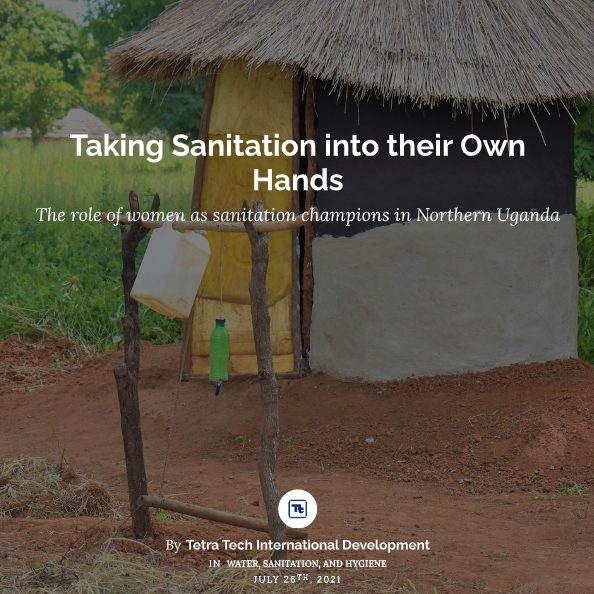
Taking Sanitation into their Own Hands
Although the overall toilet coverage in Uganda is at 77.2%, open defecation is still high at 22.9% and 12.1% in rural and urban area respectively, hand washing with soap at 36% in the rural areas and 40% in urban areas according to the Water and Environment Sector Performance Report 2019. Open defecation rate is highest in the north at (18%), in some rural districts as high as 51%.
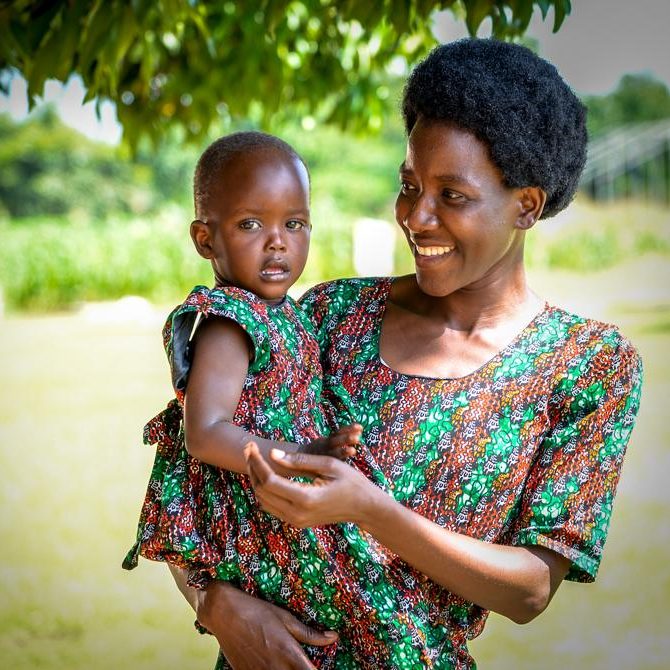
Award Winning Photo
Award winning photo featured on the cover page of the 2023 US Report on Aid to the People of Uganda.
USAID Q1-2023 Acholi Newsletter (approved)
Since August 2020, The AIDS Support Organization (TASO) has implemented the Local Partner Health Services (LPHS) – Ankole and Acholi Activity funded by the United States Agency for International Development (USAID) under the President’s Emergency Plan for AIDS Relief (PEPFAR). The Activity has supported the Government of Uganda (GOU) in making substantial…
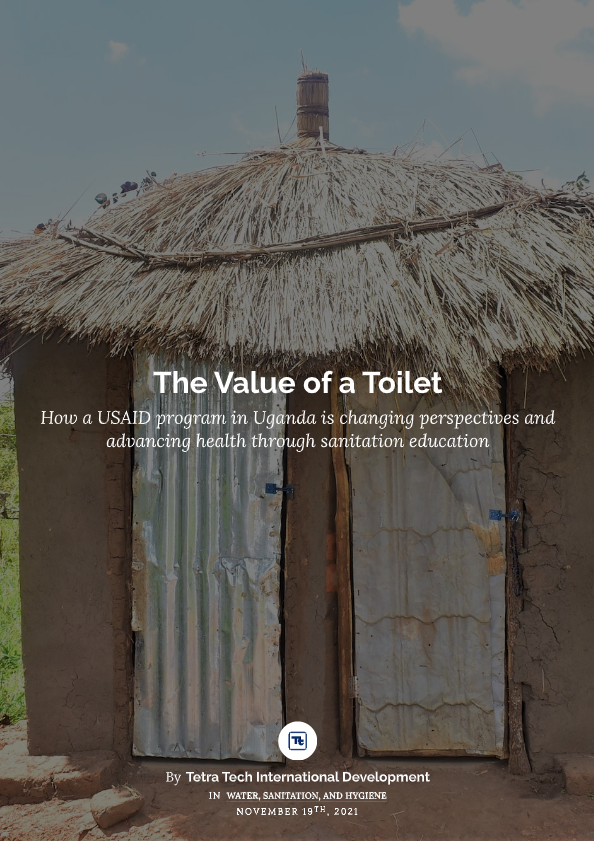
The Value of a Toilet
3.6 billion people globally still live without access to safely managed sanitation and over 494 million still practicing open defecation. Safely managed sanitation is a toilet that is not shared by other households and has a washable floor where human excreta is hygienically separated from human contact and is disposed of safely. In Uganda, according to the Water and Environment Sector Report 2020, only 78% have access to toilets and…
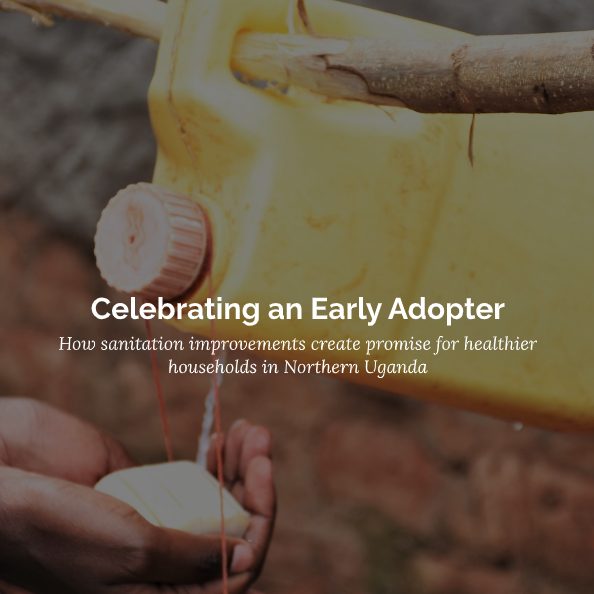
Celebrating an Early Adopter
Fifty-one year-old George Okumu is a farmer based in BaroLemo village in Gulu district. He is married to two wives and has nine children. George attended a community training on sanitation and learned how basic sanitation services hold promise for healthier families. After learning, George volunteered to be the team leader of the Sanitation Committee in his village.
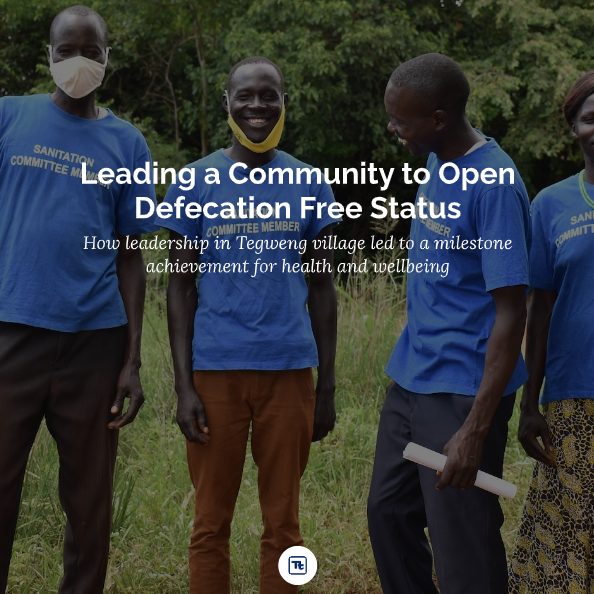
Leading a Community to Open Defecation Free Status
Just over a year ago, a third of Tegweng village in Kitgum district located in the northern Uganda practiced open defecation and none of the households practiced proper handwashing. Over the last year, the (USHA) has worked with the 37 households in the village to change household hygiene and sanitation norms and guide the village to improve their sanitation status.