Similar Posts
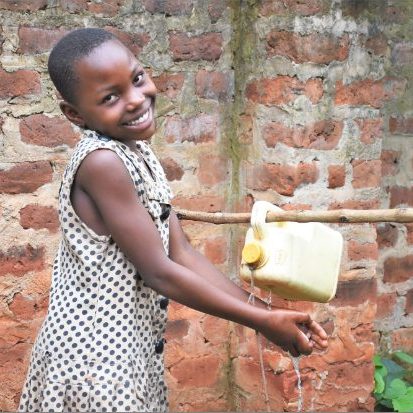
Empowering a 10 year-old Hygiene Ambassador
Working through grantee organizations, USHA supports schools to attain a WASH friendly status, which involves promoting of handwashing with soap, proper menstrual hygiene management, and operation and maintenance of sanitation and water facilities. The USHA team also helps revive and institute school health clubs, encourage key hygiene behaviors, construct improved segregated toilets for boys and girls, and provide access to safe drinking water
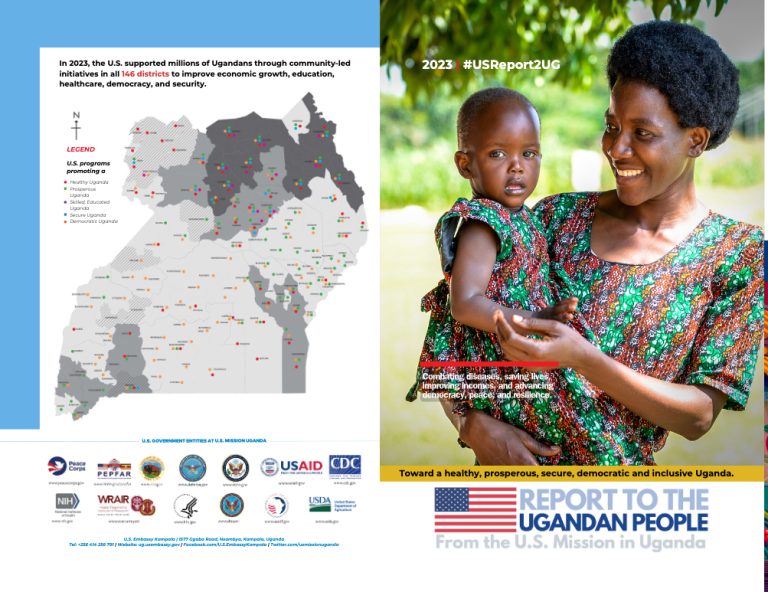
2023 Report to the Ugandan People
The United States has a longstanding partnership with the Ugandan people. U.S. assistance, implemented through local and international non-governmental and civil society partners, directly benefits Ugandans from all backgrounds and regions of the country. Millions are living healthier, learning better, earning more, and advocating for their civic and human rights thanks to our strong partnership.
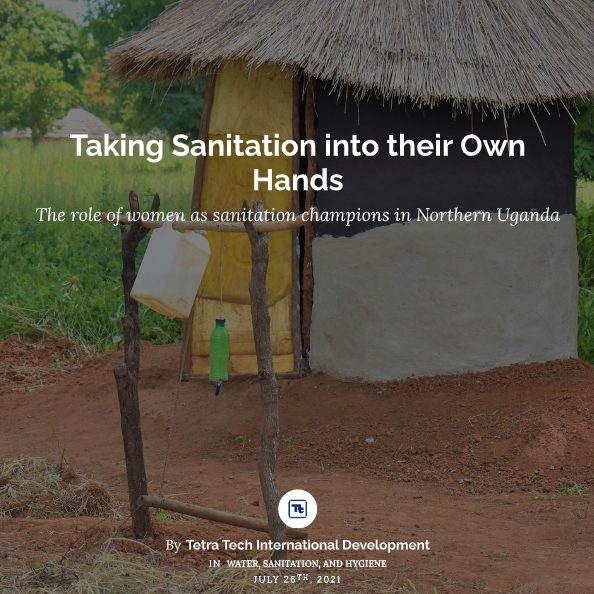
Taking Sanitation into their Own Hands
Although the overall toilet coverage in Uganda is at 77.2%, open defecation is still high at 22.9% and 12.1% in rural and urban area respectively, hand washing with soap at 36% in the rural areas and 40% in urban areas according to the Water and Environment Sector Performance Report 2019. Open defecation rate is highest in the north at (18%), in some rural districts as high as 51%.
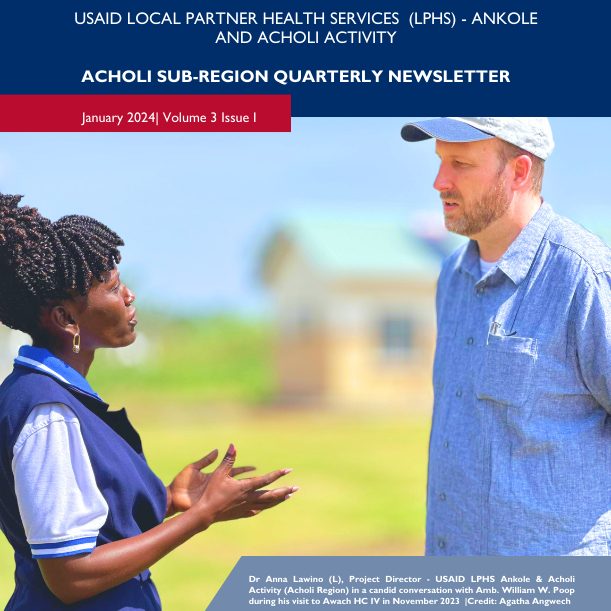
USAID Q1-2024 Acholi Newsletter (draft)
The USAID Local Partner Health Services (LPHS)—Ankole and Acholi Activity championed the 2023 pre-World AIDS Day commemoration activities in the Acholi sub-region. These pre-WAD events were held at four different locations: Gulu University in Gulu City, Bobi HC III and Pukony in Odek subcounty, Omoro district; Awach HC IV and a community served by the HC IV in Gulu district.
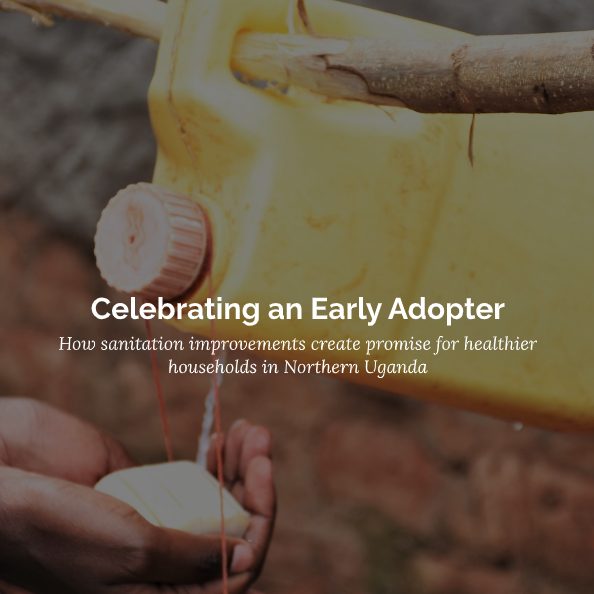
Celebrating an Early Adopter
Fifty-one year-old George Okumu is a farmer based in BaroLemo village in Gulu district. He is married to two wives and has nine children. George attended a community training on sanitation and learned how basic sanitation services hold promise for healthier families. After learning, George volunteered to be the team leader of the Sanitation Committee in his village.
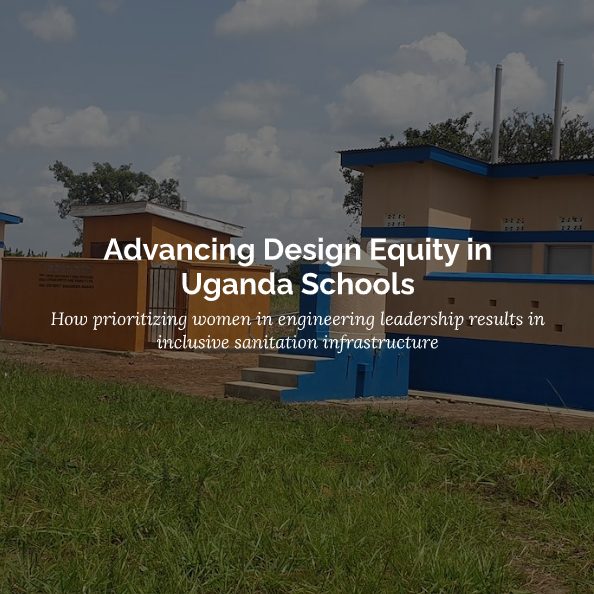
Advancing Design Equity in Uganda Schools
Imagine you are a 14-year-old girl in Uganda. You love school and dream of attending university one day. But each month, you miss a week of classes. The school’s latrines are not separated by gender, often unkept, and do not offer a safe and private place to change and dispose of used pads—so you stay home.